
World Bee Day: Why Protecting Pollinators Protects Us All
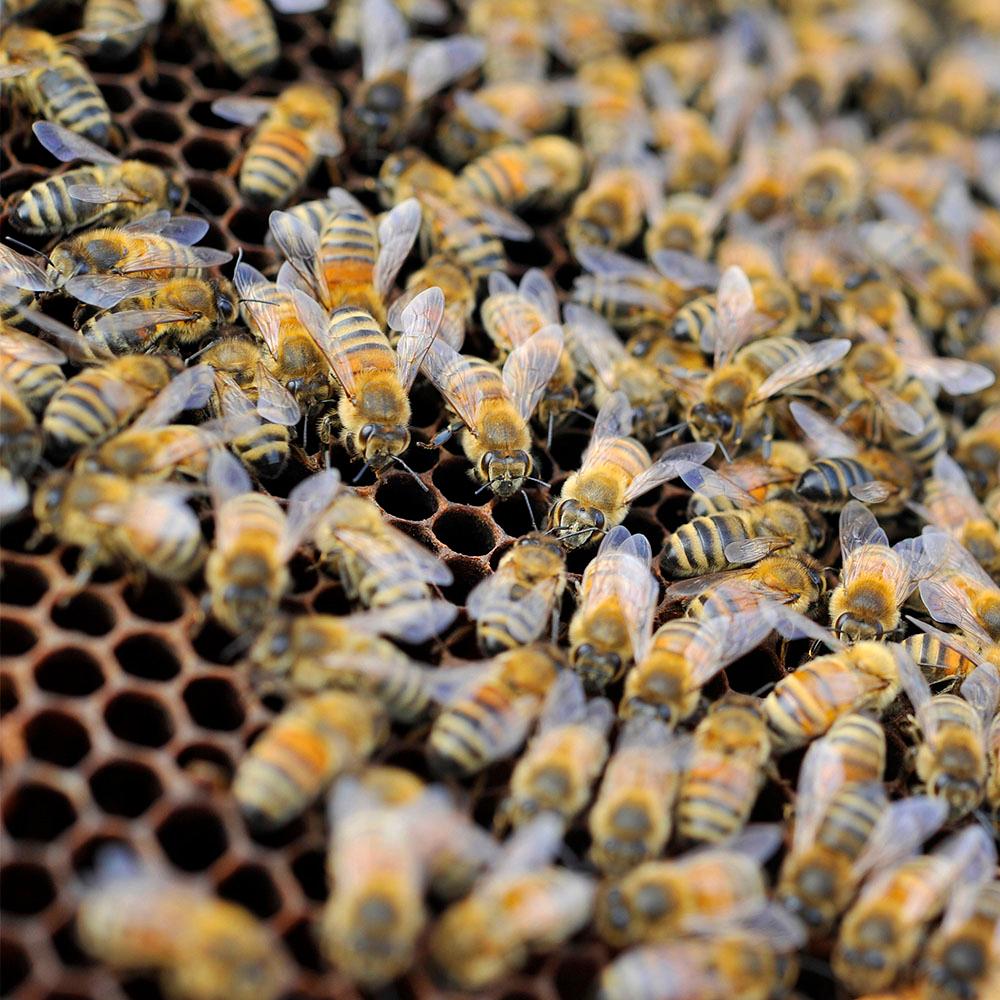
On World Bee Day, we celebrate one of nature’s smallest yet most essential creatures. Bees may be delicate in size, but their impact on our planet is extraordinary. From the wildflowers that colour our countryside to many of the fruits, vegetables and nuts we enjoy every day, bees and other pollinators are vital to healthy ecosystems, biodiversity and global food production.
According to the United Nations, more than 75% of the world’s food crops depend, at least in part, on pollination, while nearly 90% of wild flowering plants rely on animal pollinators to reproduce.
Why Bees Matter
Bees are among the world’s most important pollinators. As they travel from flower to flower collecting nectar and pollen, they enable plants to reproduce, supporting entire ecosystems in the process. Without bees, landscapes would look dramatically different, with fewer flowering plants, reduced biodiversity and significant disruption to the natural food chain.
Their role also extends far beyond nature. Pollinators contribute directly to food security, agriculture and nutrition. Crops such as apples, almonds, tomatoes, cocoa and coffee all rely heavily on pollination.
Beyond the food we eat, bees help sustain the delicate balance of our environment, supporting habitats for birds, insects and wildlife while contributing to healthier, more resilient ecosystems.
The Growing Threat to Bee Populations
Despite their importance, bee populations are declining worldwide. Scientists and environmental organisations continue to warn that pollinators face increasing pressure from a combination of human-driven challenges.
Some of the biggest threats include:
- Climate change disrupting flowering seasons and habitats
- Pesticide and chemical use, particularly intensive agricultural pesticides
- Habitat loss caused by urban development and monoculture farming
- Pollution and biodiversity loss reducing access to food and nesting spaces
Research has shown that changes in land use and intensive agriculture have significantly impacted pollinator diversity and abundance.
The decline of pollinators affects far more than bees themselves. Reduced pollination threatens biodiversity, crop yields and ultimately the health of people and the planet.
How We Can Help Protect Bees
The good news is that even small actions can make a meaningful difference. Creating bee-friendly spaces at home and in public landscapes can help support pollinators throughout the year.
1. Plant Bee-Friendly Flowers
Lavender, foxgloves, wildflowers and other nectar-rich plants provide important food sources for bees. Choosing flowers that bloom across different seasons helps support pollinators year-round.
2. Avoid Pesticides and Harsh Chemicals
Reducing the use of pesticides and insecticides can help protect not only honey bees, but also wild bee species and other beneficial insects.
3. Create Natural Habitats
Leaving areas of gardens slightly wild can provide safe nesting and shelter spaces for pollinators. Fallen leaves, patches of grass and native planting all contribute to healthy habitats.
4. Provide Fresh Water Sources
A shallow dish filled with clean water and pebbles gives bees a safe place to drink, particularly during warmer weather.
5. Install Bee Hotels
Bee hotels can provide nesting spaces for solitary bee species, many of which are important pollinators but often overlooked.
6. Support Biodiversity in Landscaping
Planting a variety of native flowers, shrubs and trees encourages biodiversity and helps create stronger ecosystems that support pollinators and wildlife alike.
7. Go “Less Tidy” Outdoors
Perfectly manicured outdoor spaces often remove valuable habitats for insects. Allowing areas of gardens to grow more naturally can make a significant difference for pollinators.
8. Take a “Pollinator-First” Approach
As awareness grows around pollinator conservation, it is worth being mindful about the honey we buy. Research suggests that extremely high concentrations of commercial honey bee colonies can, in some environments, place pressure on native pollinators through competition for floral resources. Choosing raw or minimally processed honey from local, independent or biodiversity-conscious beekeepers can help support more sustainable practices and a broader “pollinator-first” approach that protects wild bees and biodiversity alongside honey bees.
A Shared Responsibility
Protecting bees is about far more than safeguarding a single species. It is about preserving biodiversity, supporting food systems and nurturing healthier ecosystems for future generations.
World Bee Day serves as an important reminder that even the smallest actions can collectively help protect the pollinators we all depend upon.
To learn more about World Bee Day and global pollinator protection initiatives, visit the Food and Agriculture Organization of the United Nations and the United Nations World Bee Day page.